
Decoding the House Edge: Why the Odds Tilt
Your Guide to the Most Popular Casino Games
A player feeling the weight of a losing streak steps up to a blackjack table, realizing the game’s simple rule of beating the dealer’s hand without busting offers a clear path to immediate control and possible triumph. Casino games are direct tests of skill and chance, where each round resets the odds for you to seize a win. To use them, you choose a game variant, place a wager, and then rely on strategy or pure luck to trigger payouts. The core benefit is the rush of instant feedback—each spin or hand dealt either rewards your nerve or teaches you to adapt for the next play.
Decoding the House Edge: Why the Odds Tilt
The house edge is not a mystery but a mathematical certainty built into every casino game, ensuring the odds tilt in the operator’s favor over time. In blackjack, the edge stems from the dealer acting last, exploiting player busts before revealing their own hand, while uneven payouts in craps or roulette directly underpay true odds. Understanding this tilt means recognizing that no strategy can eliminate the edge, though skill reduces it in games like video poker. A player’s short-term win streak merely masks the long-term negative expectation programmed into the game’s rules. Ultimately, the house edge is the price of entertainment, not a beatable flaw, shifting focus from winning to managing risk through bet sizing and game selection.
Probability vs. Payout: The Mathematical Core of Every Wagering Choice
Every wagering choice boils down to a precise trade-off between the chance of an event and the riches it offers. A slot machine might show a massive jackpot, but its probability is infinitesimal, mathematically demanding many losing spins per win. Blackjack’s even-money payout sits on a much higher probability, creating frequent, smaller wins. This core tension demands you evaluate risk-reward efficiency before any bet. To assess it:
- Divide the payout by the true odds of winning.
- A result below 1.0 signals a losing proposition against the house edge.
- Seek games where the ratio is closest to 1.0 for sustainable play.
Mastering this ratio makes every wager a calculated decision, not a gamble.
How RTP and Volatility Shape Your Session Length
RTP and volatility directly dictate how long your bankroll lasts. A high RTP (e.g., 98%) paired with low volatility produces frequent, small wins, extending session length as losses are gradual. Conversely, low RTP with high volatility causes rapid bankroll erosion between rare, large payouts, shortening playtime. Your chosen volatility determines the rhythm of your bankroll’s decay. A high-volatility slot with 96% RTP might empty your funds in 30 minutes, while a low-volatility equivalent could sustain over an hour. Q: How do volatility and RTP interact to control my session length? A: RTP sets the theoretical return rate, but volatility dictates the payout frequency—low volatility stretches your play with steady returns; high volatility compresses it through dry spells and chases.

Recognizing Games Where Skill Can Outweigh Luck
Recognizing games where skill can outweigh luck requires identifying those with a non-random element in decision-making. Blackjack is the prime example, as basic strategy and card counting can shift the mathematical expectation, reducing the house edge to under 0.5% for a perfect player. Video poker similarly rewards optimal play, specifically by knowing which cards to hold for maximum expected value on each hand. In contrast, roulette or slots offer no such leverage. The key is to seek games where strategic decision-making directly impacts the payout probabilities, allowing a disciplined player to approach or even achieve a long-term break-even scenario.
Recognizing games where skill can outweigh luck means distinguishing between pure chance and those where player choices demonstrably reduce the house edge.
Slot Machines: Digital Reels and Payout Structures
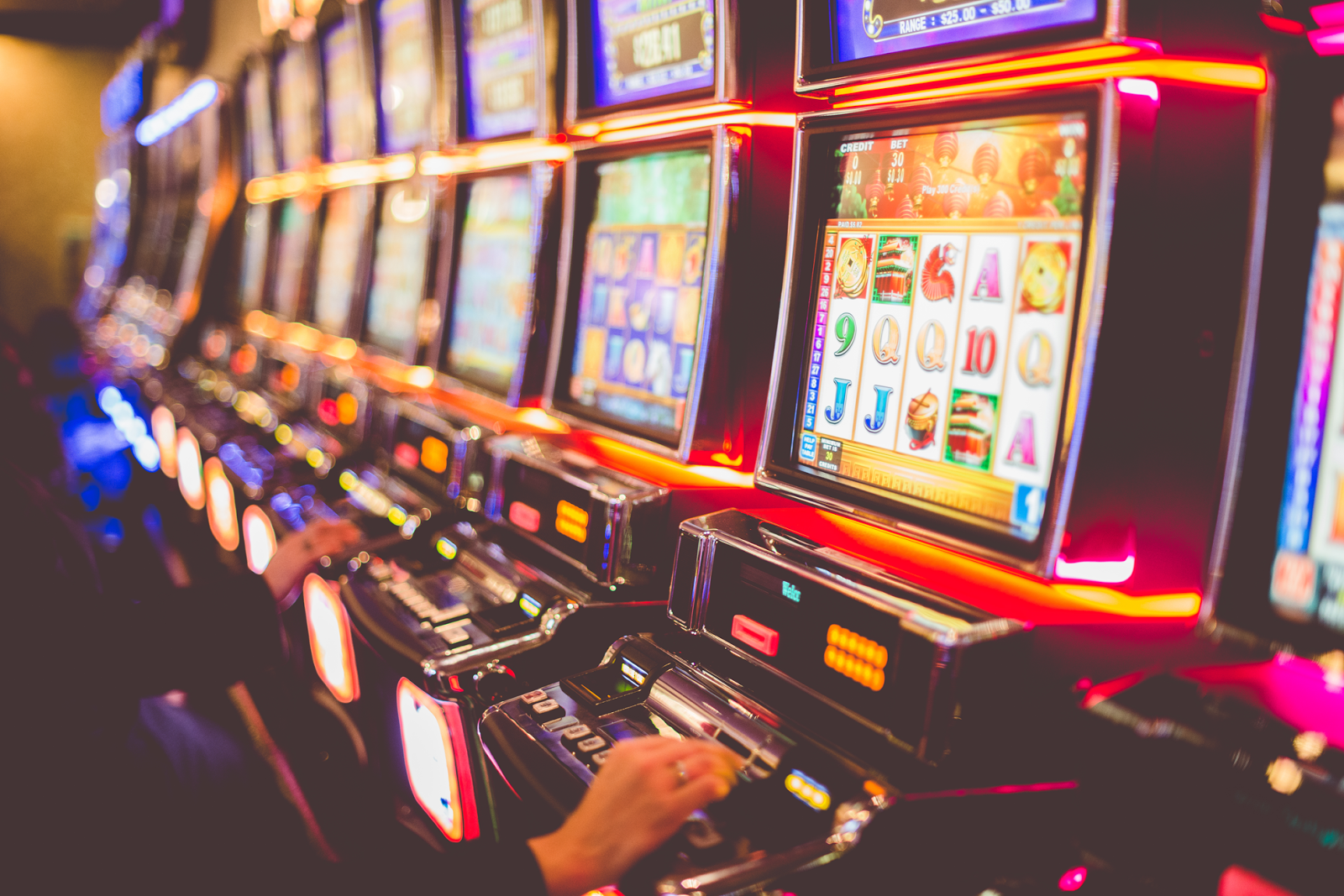
Digital reels in modern slot machines are not physical strips but virtual arrays governed by random number generators (RNGs), ensuring each spin is independent and unpredictable. The payout structure, defined by the paytable, dictates winning combinations and their multipliers. Understanding volatility is key: low-volatility slots offer frequent, small wins, while high-volatility slots deliver larger, rarer payouts. The RTP (Return to Player) percentage indicates theoretical long-term return. Q: Why do digital reels improve fairness? A: They prevent physical wear and eliminate prediction, ensuring RNG integrity for every spin. To maximize play, always check a slot’s RTP and volatility before betting.
Return-to-Player Percentages and Hit Frequency Explained
When you’re spinning digital reels, think of the Return-to-Player (RTP) percentage as the theoretical long-term payout. A 96% RTP means the machine returns $96 for every $100 wagered over time. Hit Frequency, on the other hand, tells you how often a spin actually pays out—even if it’s just your bet back. A high hit frequency (like 40%) means frequent small wins, while a lower one might offer bigger but rarer payouts. Together, they shape your session’s feel: hit frequency explains the rhythm, while RTP sets the overall return expectation.
Progressive Jackpots: How Network Pools Trigger Life-Changing Wins
Progressive jackpots operate by linking many slot machines into a single network pool. Every player’s bet contributes a small percentage to a shared prize, which escalates rapidly. The trigger sequence is:
- A random number generator selects a player across the network.
- The winning spin hits the exact symbol combination required.
- The entire accumulated pool is awarded at once.
This mechanism transforms a single spin into a life-changing win, as the prize can reach millions, unconstrained by a single machine’s payout limits.
Bonus Rounds vs. Base Game: Where Most Players Win or Lose
In slot machine play, the base game is where frequent small losses accumulate, as its lower hit frequency and smaller multipliers are designed to slowly drain a player’s bankroll. Conversely, bonus rounds versus base game often represent the only high-variance path to significant wins, yet they are triggered rarely, meaning most players lose during the long stretches of base spins. The base game’s predictable, low-payout structure ensures consistent house edge, while bonus rounds concentrate potential profits into short, volatile bursts that rarely sustain overall play, making the base game the primary source of net loss for the typical player.
Table Classics: Navigating Cards and Felt
Table Classics: Navigating Cards and Felt is the art of mastering the tactile and spatial dynamics of live casino games. On the baize, your hand position matters when sliding your bet into the pass line for craps or arranging chips for a blackjack double-down. The felt’s texture provides friction for controlled card spins in baccarat, while proper card handling—like pinching the corners for a peek in three-card poker—prevents accidental exposure.
Reading the felt’s layout is as critical as knowing odds: the dealer’s drop slot, chip rail alignment, and betting circles dictate your rhythm to avoid misbets or delays.
Smooth navigation between these physical elements, from cutting the deck in poker to sliding your pay in roulette, turns technical knowledge into seamless play.
Blackjack Card Counting Myths and Real Strategy Adjustments
Many players cling to the myth that card counting is a secret trick requiring a photographic memory. In reality, it is a practical strategy adjustment called running a simple plus-minus count, where you track high versus low cards. The real edge comes from dynamically altering your bet size and basic strategy deviations when the count is favorable. Dealers do not automatically “catch” counters—they respond to erratic play. Disciplined players avoid dramatic bet jumps, instead applying smooth, logical adjustments to exploit shifting odds without detection.
Roulette Wheel Layout: Inside vs. Outside Bets and Their True Odds
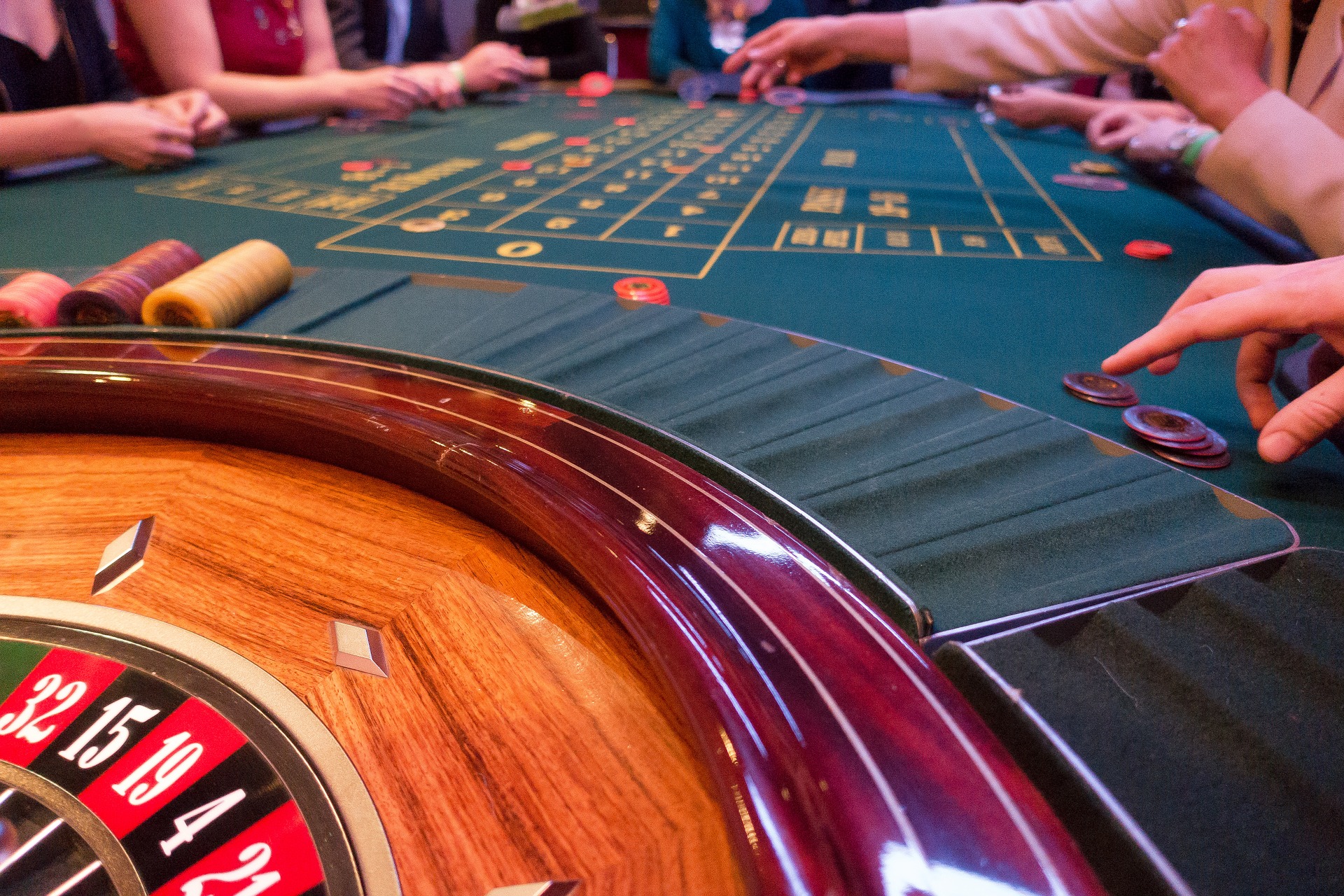
The roulette wheel layout divides bets into two categories: inside versus outside bets and their true odds. Inside bets, placed on specific numbers or small groups, offer higher payouts (e.g., 35:1 on a single number) but carry low probabilities—2.70% on a European wheel. Outside bets, covering larger sections like https://tonybetcasino.bet/ red/black or odd/even, pay 1:1 but have nearly 50% odds. The house edge, however, remains fixed at 2.70% for European roulette and 5.26% for American due to the double zero. Why do outside bets feel safer despite identical house edge? Outside bets win more frequently, reducing variance and bankroll swings, making them ideal for players seeking extended play over high-risk jackpots.
Baccarat Pattern Betting: Why It Fails Over Time
Baccarat pattern betting fails because each hand is an independent event with a fixed house edge, making past outcomes irrelevant. Players chase streaks or zigzags, believing they can predict the next result, but the shoe has no memory. Over time, the law of large numbers erodes any short-term gains. The core reason pattern betting fails in baccarat is that it ignores probability. The sequence of failure unfolds predictably:
- A player spots a perceived pattern and bets accordingly, winning a few hands.
- Regression to the mean breaks the pattern, triggering consecutive losses.
- Cumulative losses outweigh early wins, as the house edge compounds.
- Emotional betting to recover losses accelerates the bankroll decline.
Ultimately, no pattern can overcome the statistical reality of random outcomes.
Dice Games: The Geometry of Chance
In casino games, the geometry of chance in dice dictates that every roll is an independent event confined to a finite, balanced probability matrix. Unlike card games that shift with removal, a die’s cubic symmetry ensures each face has a fixed 1-in-6 likelihood, making past results irrelevant. The house edge exploits this perfect distribution; for example, in craps, the 4, 10, 5, and 9 offer worse payouts than their true odds of 2-to-1 or 3-to-2. Master this geometry, and you stop betting on streaks. Q: Why is the 7 considered the “most probable” dice result? A: Because six out of 36 possible combinations sum to 7, making it the geometric center of the bell curve in a two-die layout.
Craps Pass Line vs. Don’t Pass: Which Offers Better Survival Rates
For survival at the craps table, the Don’t Pass bet holds a clear statistical edge over the Pass Line. The Don’t Pass carries a house edge of just 1.36%, compared to the Pass Line’s 1.41%. This slim but persistent advantage means your bankroll erodes more slowly over time. While the Pass Line wins on the come-out roll with a 7 or 11, the Don’t Pass thrives on the seven-out, which ends a shooter’s hand. Betting against the shooter feels counterintuitive, but the math is unyielding: fewer losses per session translate directly into longer play and better survival rates.
Understanding Place Bets and the Vigorish They Carry

Understanding Place Bets and the Vigorish They Carry reveals how the casino edges into craps’ geometric probabilities. When you place the 6 or 8, the house takes a 1.52% vigorish, as the true odds of 6:5 are paid at 7:6. For the 5 or 9, the vig jumps to 4% because the 7:5 payout masks the true 3:2 odds. The 4 or 10 suffers a brutal 6.67% house edge, paying 9:5 on 2:1 true odds. This vigorish is the casino’s fixed geometric advantage over each number’s probability cycle.

- The 6 and 8 carry the lowest vigorish at 1.52%, making them the most efficient place bets.
- Place bets on the 5 or 9 incur a 4% house edge, double that of the 6/8.
- The 4 or 10 have the highest vigorish at 6.67%, offering the worst value per roll.
Why the Odds Bet Is the Only Fair Wager on the Table
In Dice Games: The Geometry of Chance, the Odds Bet stands apart because it carries zero house edge, making it the only truly fair wager. Unlike the Pass Line or Come bets, which include a built-in casino advantage, the Odds Bet pays at true mathematical odds based on the point number’s probability. For a 6 or 8, you’re paid 6:5; for a 5 or 9, 3:2; for a 4 or 10, 2:1. This precision reflects the dice’s geometric likelihood—neither side gains. If you seek the last fair wager in the casino, this is it. Maximizing your odds behind a Pass Line bet is the only way to neutralize the house’s mathematical edge entirely.
Poker Variations: Where Opponents, Not the House, Set the Pace
In casino games, poker variations like Texas Hold’em and Omaha uniquely shift control from the house to the players, as opponents, not the house, set the pace of every hand. Unlike blackjack or roulette where you react to fixed dealer rules, poker demands you read and counter human aggression, bluffing, and timing. This player-driven tempo lets you exploit weaknesses directly, turning each session into a strategic duel where skill determines momentum. Q: Why does this pace favor skilled players? A: Because you control bet sizing and raises, forcing opponents to fold or commit under pressure, not a static house algorithm.
Texas Hold’em Positional Play and Pot Odds Fundamentals
In Texas Hold’em, your position at the table dictates the information you have before acting. Acting last (the button) lets you see all opponents’ moves, while early position forces decisions with limited data. This positional edge directly influences pot odds calculations: if you face a bet from a late-position opponent, your required equity to call must account for their wider range. Understanding positional pot odds means adjusting your call threshold—in early position, you need higher implied odds to compensate for acting first on later streets. Calculating pot odds (ratio of current pot to bet cost) against a positional range prevents costly draws. Implied odds further refine this when you expect to extract more chips if you hit your hand.
Q: How does being on the button change your pot odds decision on a draw?
A: On the button, you have greater implied odds because you can control the betting on later streets, making marginal calls more profitable compared to early position.
Three Card Poker vs. Caribbean Stud: House Edge Differences
In the context of casino games, the house edge differences between Three Card Poker and Caribbean Stud significantly impact player value. Three Card Poker’s ante and pair plus wagers carry a house edge of roughly 3.37% and 2.32% respectively, depending on the pay table, while Caribbean Stud Poker’s standard house edge is steeper, typically around 5.22% against optimal play. This disparity stems from Caribbean Stud’s progressive jackpot side bet and the need to beat the dealer’s qualifying hand. Caribbean Stud also requires a higher ante to be competitive, increasing the effective risk per round. For players prioritizing lower theoretical loss per bet, Three Card Poker’s faster pace and reduced edge make it the more favorable option.
| Aspect | Three Card Poker | Caribbean Stud |
|---|---|---|
| Ante & Play Edge | ~3.37% | ~5.22% (with optimal strategy) |
| Side Bet Edge | 2.32% (Pair Plus typical) | Varies; often >5% + jackpot rake |
| Dealer Qualify Requirement | None (dealer plays every hand) | Must hold Ace-King or higher |
| Effective Risk per Round | Lower (optional raise) | Higher (mandatory raise after seeing cards) |
Video Poker Strategy: Holding the Right Hands for Max Returns
In Video Poker, your only tactical edge over the house comes from cold, precise hand selection. Unlike table poker, the machine pays fixed odds, so holding the right cards for max returns is a pure math problem. You must always sacrifice a low pair for a four-card flush draw, and never break a paying hand to chase a royal. **Optimal video poker strategy** dictates that holding a high card over a gutshot straight draw often yields a higher expected value. The dynamic challenge is memorizing these pay-table nuances, not reading opponents.
Q: What is the most common mistake players make when holding cards?
A: Keeping a low pair (e.g., 2s or 3s) when they also hold four cards to an open-ended straight or flush draw—always prioritize the drawing hand for higher long-term returns.
Live Dealer Experiences: Bridging Digital and Physical Realities
Live dealer experiences dissolve the boundary between binary code and tangible casino action by streaming real-time gameplay from a professional studio directly to your device. Unlike purely random number generator (RNG) tables, live dealer games let you witness a human croupier shuffle physical cards or spin a real roulette wheel, creating authentic social interactions through integrated chat. This hybrid model delivers the practical benefit of verifiable fairness—you see every card dealt and every chip placed—while retaining the convenience of playing from home.
The key insight is that seeing a human hand interact with physical equipment removes skepticism about algorithmic manipulation, replacing it with genuine trust.
Betting interfaces overlay these video feeds seamlessly, allowing split-second decisions as the dealer awaits your move, effectively merging the tactile vibe of a brick-and-mortar casino with digital accessibility.
Streaming Latency and Its Impact on Game Flow
In live dealer casino games, streaming latency directly disrupts the flow of the session. Even a half-second delay can cause misalignment between the dealer’s actions, like dealing cards or spinning the roulette wheel, and the player’s input. This disconnect breaks immersion, leading to rushed bets or missed opportunities. To preserve the natural rhythm of play, platforms must prioritize sub-second latency, ensuring that decisions happen in real-time as if seated at a physical table. Low streaming latency is the critical factor that keeps the game feeling responsive and authentic, preventing frustrating gaps that kill momentum. A drifting feed turns a seamless experience into a disjointed one, where strategy becomes guesswork.
Streaming latency shapes the entire game flow; minimal delay keeps the action fluid and trust intact, while high lag shatters the illusion of a real-time live casino.
Interactive Features That Mimic Real Table Etiquette
Modern live dealer platforms integrate real-time gesture recognition to mirror physical etiquette, such as tapping the table for a hit or waving a hand to stand. Dealers acknowledge these visual cues before cards are dealt, preserving the rhythm of a brick-and-mortar game. Chat functions enable polite congratulations or light banter without disrupting play, while digital tipping mimics sliding chips across felt. This seamless translation of physical norms into a digital environment ensures high-stakes play never feels sterile or disconnected. These interactive features transform a screen into a shared social space, demanding the same courteous timing and nonverbal respect as a casino floor.
Interactive features that mimic real table etiquette convert online play into a socially authentic, gesture-driven experience.
How Multiple Camera Angles Change Decision-Making
Multiple camera angles transform decision-making by giving you the power to scrutinize every detail before placing a bet. The ability to toggle between a dealer’s close-up and a table-wide view lets you verify shuffle integrity and card placement, reducing doubt. This visual clarity directly influences your choices; you can confidently double down or fold based on what you see, rather than guess. The psychological shift is critical—enhanced observation removes hesitation, allowing calculated risks over impulse, as each angle feels like a private window into the game’s authenticity.
Bankroll Management First: Protecting Your Stakes
In casino games, treating your bankroll as a finite resource is non-negotiable; it is the single barrier between strategic play and ruin. Set a strict loss limit before you sit down and walk away the moment it is breached, as chasing losses compounds risk exponentially. Divide your total bankroll into smaller session stakes to prevent a single cold streak from decimating your entire capital. Protecting your stakes means accepting that preserving funds for future sessions often outweighs the temptation of a risky, all-in bet. This discipline ensures you can capitalize on favorable variance when it arrives, rather than being sidelined by avoidable losses.
Setting Loss Limits and Win Goals Before You Begin
Before a single spin or card is dealt, anchor your session with two non-negotiable numbers: a loss limit and a win goal. The loss limit, a firm dollar amount you will not exceed, is your financial bulletproof vest against tilt. Equally critical is the win goal—the exact profit where you walk away, locking in your gains. Chasing a bigger win almost always turns a victory into a loss, so commit to that exit. This discipline turns gambling from a losing marathon into a series of controlled sprints. Without these predetermined boundaries, you are simply hoping luck will manage your money. Setting loss limits and win goals before you begin is the single most effective strategy to protect your bankroll from your own emotions.
Bet Sizing Methods: Flat vs. Progressive Wagering Systems
In bankroll management, your bet sizing method dictates risk exposure. A flat wagering system preserves capital by staking a fixed, small percentage (e.g., 1-2% of your bankroll per round), ensuring consistent longevity despite variance. Conversely, progressive wagering systems, like the Martingale (doubling after losses) or Paroli (raising after wins), mathematically amplify volatility; they can rapidly deplete a stake during a losing streak or accelerate gains during a hot run, but offer no edge over the house long-term. The choice dictates whether you prioritize survival or chase short-term peaks.
Flat betting prioritizes stability by controlling risk per bet, while progressive systems trade increased variance for potential rapid gains or losses, making flat sizing the fundamental protective layer for any bankroll.
Why Chasing Losses Accelerates Downward Spirals
Chasing losses in casino games triggers a loss-chasing cycle that erodes bankroll stability. When a player increases bets to recover deficits, they violate probability laws, as each game round remains independent. This behavior often escalates bets beyond stake limits, turning manageable losses into catastrophic ones. The psychological trap of believing a big win will reverse fortune ignores the house edge, which mathematically ensures greater cumulative loss over extended play. Rapidly depleting funds removes recovery options, forcing desperate decisions that compound the initial mistake.

| Aspect | Effect of Chasing Losses |
| Bet Size | Increases exponentially relative to original stake |
| Round Risk | Each independent bet still bears same house edge |
| Bankroll Life | Shortened dramatically compared to steady play |
Understanding the Core Mechanics of Popular Table Games
How Card Counting Actually Works in Blackjack
The House Edge in Roulette: European vs. American Wheels
Maximizing Your Slot Machine Sessions
Choosing Between High Volatility and Low Volatility Slots
What Return to Player (RTP) Percentage Means for Your Wallet